
Termite Control in Beaufort
Your home is probably one of the biggest investments you'll ever make. Keeping it in great shape means staying ahead of threats you might not even see coming, and termites top that list.
Termites can cause serious structural damage long before any visible signs show up. A quick inspection is the easiest way to know for sure what's going on beneath the surface.
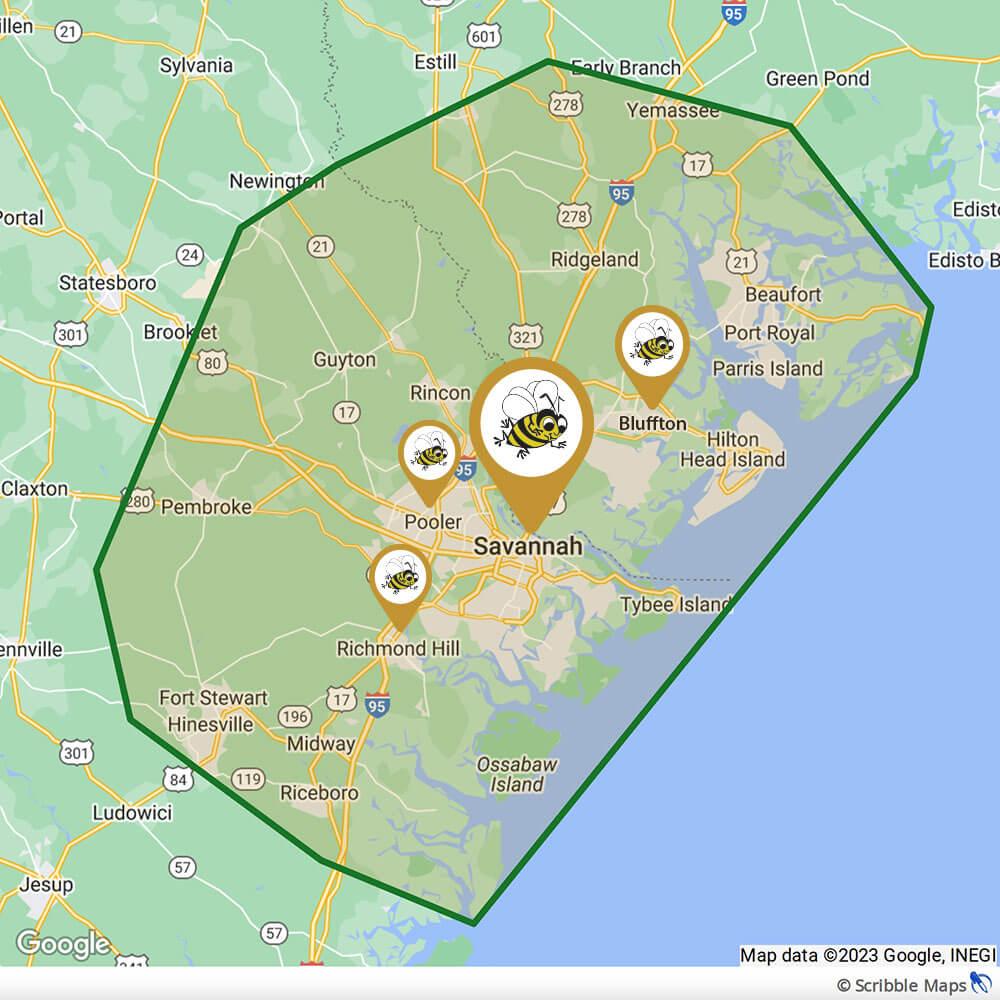
Here's why homeowners in Beaufort trust Bee Green Pest Solutions to protect their homes:
- Same-day inspections available when you call before noon
- Fast, targeted treatment that eliminates colonies at the source
- Liquid, chemical, and bait station options for complete control
- High-quality products like Termidor Advance Bait Stations
- Recurring services that keep protection in place long-term
- Backed by a full satisfaction guarantee
Bee Green Pest Solutions has been serving this community for 17 years, and we're ready to get to work for you. Call today to schedule your inspection and get a free quote.

Additional Services in Beaufort
Protect Your Home from Devastating Termite Damage
What Termites Can Actually Do to Your Home
Termites are not just a minor inconvenience. They are one of the most structurally damaging pests a homeowner can face, and the damage often builds up long before anyone realizes there is a problem.
The Real Cost of a Termite Problem
Across the country, termites cause more than $5 billion in property damage every year. That number is not just a talking point. It reflects real repair bills, compromised foundations, and homes that lost value because the damage went undetected for too long. Subterranean termites in particular thrive in the warm, humid climate of Georgia, making them a year-round concern rather than a seasonal one. By the time visible damage appears, a colony has often been active for months or even years.
Why Ongoing Protection Makes a Difference
Having a termite monitoring and protection plan in place changes the situation entirely. Instead of reacting after damage has already occurred, you stay ahead of the problem. Routine monitoring catches activity early, treatment plans are built around your specific property, and a professional keeps an eye on things so you do not have to.
Beaufort gives homeowners in Georgia access to the kind of targeted protection that actually holds up over time. Here is what that looks like in practice:
- Custom termite control and prevention plans designed around your home's layout and risk level
- Liquid, chemical, and bait station treatment options for complete colony elimination
- High-quality products including Termidor and Advance Bait Stations
- Recurring services that keep your protection current, not just reactive
- Inspections backed by local, certified expertise
When you know what is at stake, the right response is a plan that works consistently, and Bee Green Pest Solutions has the tools and approach to make that happen. The next step is understanding exactly how we put that protection to work.
Signs You May Have a Termite Problem
Warning Signs Your Home May Have a Termite Problem
Termites rarely make themselves obvious, and that is exactly what makes them so damaging. By the time most homeowners notice something is off, the damage is already done. In our area, Eastern subterranean termites are the species to watch for, and they tend to be most active in spring when warmer temperatures trigger swarming season. Knowing what to look for early can save you a serious repair bill down the road.
Here are the most common signs that Beaufort may already be underway in your home:
- Discarded wings near windowsills, doorframes, or light fixtures, often left behind after a termite swarm
- Mud tubes running along your foundation, crawl space walls, or basement framing (subterranean termites build these to travel between soil and wood)
- Wood that sounds hollow when tapped, especially along baseboards, door frames, or floor joists
- Bubbling or uneven paint that resembles water damage on walls or ceilings
- Tight-fitting doors or windows that have suddenly become difficult to open or close
- Frass, which looks like small piles of sawdust or pellets, near wooden surfaces or along walls
- Visible tunneling or galleries inside exposed wood in basements or crawl spaces
- Sagging floors or ceilings in older homes, particularly those with moisture issues in lower levels
Older homes with wood-framed construction and basements prone to moisture are especially vulnerable in our area, where subterranean termites thrive in the soil just outside your foundation. If any of these signs sound familiar, the sooner you get a professional set of eyes on it, the better your options will be.
Understanding Termite Damage
What Termites Can Really Cost You as a Homeowner
Termites cause more than $5 billion in property damage across the United States every year, and most homeowner insurance policies do not cover a single dollar of it. In Georgia, warm temperatures and moisture create conditions where subterranean termite colonies thrive and stay active longer than in cooler climates. That combination puts local homes at a higher risk for serious structural damage than many homeowners realize.
The Real Damage Happens Where You Cannot See It
Termites do not eat through a wall overnight. They work slowly through wood framing, floor joists, and structural supports over months and years. By the time visible damage shows up, colonies have often been feeding on a home for a long time. That slow progression is exactly what makes termite activity so costly. Repairs to structural wood, subflooring, or load-bearing beams can run into the tens of thousands of dollars, and that does not include any temporary housing or displacement costs during remediation.
Here is what active termite damage can affect inside a home:
- Load-bearing wall studs and framing members
- Subflooring and hardwood floors above crawl spaces
- Roof rafters and attic framing
- Door and window frames, causing them to warp or stick
- Insulation and moisture barriers in crawl spaces
Why Ongoing Termite Protection Actually Pays Off
A proactive termite protection plan does more than stop an active infestation. It keeps a treated barrier in place around your home year-round, so colonies never get the chance to establish inside the structure. Monitoring between treatments also means that if termite pressure increases near your property, it gets caught early before feeding begins.
For homeowners who have already invested in renovations, additions, or updated interiors, that kind of ongoing protection is a practical way to preserve the value of what they have built. Bee Green Pest Solutions uses Termidor, a non-repellent termiticide that termites cannot detect, which means they move through the treated zone, transfer it to other colony members, and the product works its way through the entire colony over time.
Benefits of having termite protection and monitoring in place:
- Continuous barrier protection around the foundation throughout the year
- Early detection of new termite pressure before feeding starts
- Colony-wide elimination through Termidor's Transfer Effect
- Long-lasting residual control with minimal disruption to your yard or landscaping
- Protection for the structural and financial investment you have made in your home
Knowing how much damage termites can do is only part of the equation. The other part is understanding how to stop them, and that starts with the right treatment approach.
Frequently Asked Questions
Do I need to have my home inspected regularly for termites?
Yes, regular inspections are crucial, especially if you live in an area with a high risk of termite activity. Annual inspections can help identify potential problems early and prevent extensive damage. Termite problems are often hidden from view, so professional inspections are the best way to spot an issue before it becomes severe.
How can I prevent termites from entering my home?
Here are a few preventive measures:
- Keep wood away from your foundation—don’t store firewood, mulch, or wood debris close to your house.
- Seal cracks and gaps in your foundation and around windows, doors, and pipes.
- Repair leaks promptly to reduce moisture in areas like basements and crawl spaces.
- Consider a termite barrier or treatment for additional protection, especially if you live in an area prone to termites.
How do termites enter my home?
Termites enter your home through small cracks or gaps in your foundation, walls, or around pipes and electrical lines. They can also find their way in through wood-to-ground contact or overexposed, untreated areas like wooden decks, fences, or firewood piles.
How long does it take termites to cause damage?
Termites can begin to cause significant damage surprisingly quickly. The exact timeframe depends on factors like the size of the infestation and the type of termites, but in general:
- Subterranean termites (the most common type) can cause visible damage in as little as 3 to 6 months in a heavily infested area. These termites typically start in hidden areas and work their way into the wood of your home, eating it from the inside out.
- Drywood termites may take several years to cause noticeable damage, as they usually infest smaller areas of wood and are more difficult to detect early on.
In the early stages of an infestation, termites often cause little visible damage. The wood they eat from the inside may look normal on the outside, making it easy for homeowners to miss the signs. However, as they continue to feed, structural damage can escalate quickly, compromising the integrity of your home’s framework. It’s crucial to address any signs of termites early, as even a small infestation can lead to significant damage if left untreated. Regular inspections can help catch potential problems before they become costly.
What are the most common types of termites?
There are three primary types of termites that can infest homes and properties: Subterranean, Drywood, and Formosan termites. Each type behaves differently, has unique characteristics, and requires different approaches to control and treatment. Subterranean termites are the most destructive and widespread type of termites in the United States!
What happens if I don’t treat a termite infestation?
If left untreated, termites can cause significant structural damage that could lead to expensive repairs. Over time, termites can weaken beams, flooring, and even the foundation of your home. Early intervention is key to preventing costly damage.
How can I tell if it’s a carpenter ant or a termite?
- Body Shape: Termites have broad, straight bodies with no defined waist; carpenter ants have a narrow, pinched waist.
- Antennae: Termites have straight antennae; carpenter ants have bent (“elbowed”) antennae.
- Color: Termites are pale or light-colored; carpenter ants are dark brown, black, or reddish.
- Wood Damage: Termites eat wood, leaving rough, mud-lined tunnels and mud tubes; carpenter ants tunnel into wood, leaving smooth galleries and piles of sawdust.
- Wings: Termite wings are equal in length and longer than their bodies; carpenter ants have larger front wings and smaller hind wings.
Still unsure? Both Carpenter ants and Termites are dangerous wood-destroying insects!
Please call us as soon as possible to schedule an inspection.